
By Kevin G. Shanks, D-ABFT-FT
We’ve covered many stimulants on this blog in the past. Most recently, we discussed newer substituted cathinones, MDPHP and Alpha-PHP/PiHP.
As a brief summary, substituted cathinones are a class of compounds that are related to cathinone, a naturally occurring stimulant alkaloid found in the plant Catha edulus (khat). These stimulants first appeared in the USA in the early 2010s and continue to be detected year after year in seized drug evidence and forensic toxicology specimens. MDPHP and alpha-PHP/PiHP (Figure 1) belong to the pyrrolidinophenone subclass of substituted cathinones and are structurally related to older compounds MDPV and alpha-PVP.
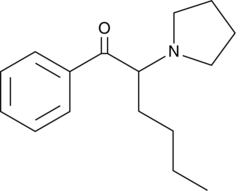
Figure 1. Chemical Structure of Alpha-PHP Drawn by Kevin G. Shanks (2026)
Over the last year, two new compounds (alpha-PHPP and alpha-PiHPP) in the pyrrolidinophenone subclass and one in a related subclass (alpha-PipHP) emerged on the illicit drug market in the USA. As is normal, these compounds have very complex names with some of them also going by alternative names or acronyms. Alpha-PHPP is also known as alpha-pyrrolidinoheptiophenone or PV8. Alpha-PiHPP is also known as alpha-pyrrolidinoisoheptanophenone or iso-PV8 (Figure 2). Alpha-PipHP is also known as alpha-piperidonhexanophenone.
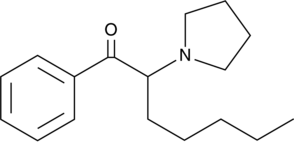
Figure 2. Chemical Structure of Iso-PV8 Drawn by Kevin G. Shanks (2026)
The pyrrolidinophenone compounds differ from other cathinones by incorporating a pyrrolidine ring and often a longer alkyl side chain, while alpha-PipHP is structurally related to older cathinones, alpha-PHP and alpha-PiHP. Though the published pharmacology literature remains sparse, rather than functioning primarily as monoamine releasing agents, compounds with similar chemical structures as these three stimulants typically act as potent inhibitors of dopamine and norepinephrine transporters. This makes them function in a similar fashion to cocaine but with greater potency and longer durations of action. This pharmacological action of transporter inhibition leads to elevated extracellular dopamine in the neuronal synapse and contributes to increased locomotor activity, euphoria, reinforcement, and abuse liability. Increased norepinephrine in the synapse contributes to sympathetic activation, including tachycardia, hypertension, hyperthermia, and heightened alertness. The severity of toxicity varies widely depending on factors such as dose, route of administration, co-administration of other substances, health or disease state of the user, and the use history of the individual. Expected metabolism and excretion of these compounds includes reduction, hydroxylation, oxidation, and conjugation with glucuronic acid or sulfate.
There have been a couple of reports over the last decade of the detection of PV8 in postmortem casework outside of the USA.
In 2018, Pieprzyca et al. reported two fatal cases involving PV8 in Japan. In the first case, a 36 year old man was found dead in his apartment. The previous night he had consumed alcohol with friends. Blood was positive for ethanol (1.8 mg/L), clindamycin (1.95 mcg/mL), and PV8 (0.26 mcg/mL). In the second case, a 37 year old female arrived at the hospital with gastrointestinal bleeding, vomiting, diarrhea, hyponatremia, and hypokalemia. Postmortem blood was acetaminophen (1.49 mcg/mL), metamizole (0.32 mcg/mL), lidocaine (0.68 mcg/mL), dextromethorphan (0.28 mcg/mL), drotaverine (0.25 mcg/mL), and PV8 (0.07 mcg/mL). Both deaths were concluded to be fatal intoxications with PV8.
In 2021, Mochizuki et al. described a fatal case of poisoning with PV8, alongside other stimulants 4-FMC, 4-MeO-alpha-PVP, and 4-F-alpha-PVP. The male decedent was found without clothes in his room and with his head embedded in the wall. A syringe and vials of liquid were also found in the room. PV8 was quantified in postmortem heart blood (218±3 ng/mL) and in postmortem femoral blood (167±4 ng/mL). 4-FMC, 4-MeO-alpha-PVP, and 4-F-alpha-PVP were also quantified in both samples. The authors concluded the cause of death to be acute poisoning with the combination of substances detected.
As these compounds are now on the illicit drug market, it is prudent to be aware of them. Axis monitors alpha-PipHP, Alpha-PHPP (PV8), and Alpha-PiHPP (iso-PV8) in the Novel Emerging Compounds (NEC) panel (order code 13710) and Comprehensive Panel, Blood with Analyte Assurance™ (order code 70510) using liquid chromatography with quadrupole time of flight mass spectrometry (LC-QToF-MS). Since the addition to the scope of testing in April 2026, the laboratory has detected alpha-PiHPP (iso-PV8) in 4 postmortem blood cases. Each of the cases originated in the state of Florida. Of the four cases, 2 decedents were female and 2 decedents were male. Other drugs detected alongside alpha-PiHPP (iso-PV8) included cocaine/metabolites (2), fentanyl/metabolite (2), and methamphetamine/amphetamine (2). Alpha-PipHP and Alpha-PHPP (PV8) have not been detected in the laboratory.
If you have any questions or concerns about these new stimulants and how they may play a role in your medical-legal investigation, please reach out to subject matter experts by email ([email protected]) or phone (317-759-4869, Option 3).
References
- Shanks, K. (2026) Drug Primer: MDPHP. https://axisfortox.com/drug-primer-mdphp/
- Shanks, K. (2023) Poster Presentation: Detection of the Substituted Cathinone, Alpha-PiHP, in Postmortem Toxicology Cases. https://axisfortox.com/poster-presentation-detection-of-the-substituted-cathinone-alpha-pihp-in-postmortem-toxicology-cases/
- Shanks, K. (2023) A Closer Look at the Novel Emerging Compounds Panel: Alpha-PiHP and N,N-dimethylpentylone. https://axisfortox.com/a-closer-look-at-the-novel-emerging-compounds-panel-alpha-pihp-and-nn-dimethylpentylone/
- Pieprzyca, E., Skowronek, R., Korczynska, M., Kulikowska, J., and Chowaniec, M. (2018) Two fatal cases of poisoning involving new cathinone derivative PV8. Legal Medicine (Tokyo). https://doi.org/10.1016/j.legalmed.2018.05.002.
- Mochizuki, A., Adachi, N., and Shojo, H. (2021) Detection of 4-FMC, 4-MeO-α-PVP, 4-F-α-PVP, and PV8 in blood in a forensic case using liquid chromatography-electrospray ionization linear ion trap mass spectrometry. Forensic Science International. https://doi.org/10.1016/j.forsciint.2021.110888.