
By Kevin Shanks, M.S., D-ABFT-FT
As mentioned in several previous posts on this blog, novel psychoactive substances (NPS) are arranged into different families. Opioids, cannabinoids, stimulants, hallucinogens, and benzodiazepines are the main ones we encounter in forensic toxicology. Axis makes an effort to be able to detect the most newly emerged of these NPS as the drug market evolves over time. In this post, we will take a brief look at two stimulants which have recently appeared in the United States.
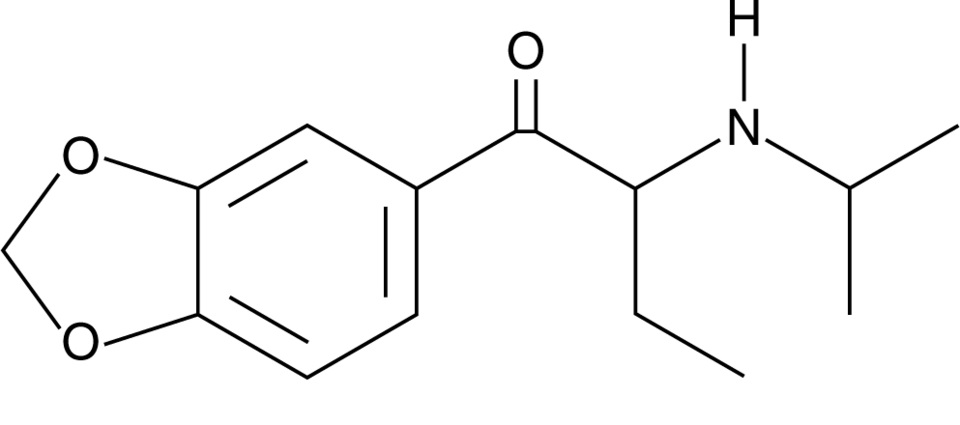
Chemical structure of N-isopropyl butylone Drawn by Kevin G. Shanks (2025)
N-isopropyl butylone and N-cyclohexyl methylone are considered substituted cathinones, which are a class of compounds related to cathinone, a naturally occurring stimulant alkaloid found in the plant Catha edulis, also known as khat. Substituted cathinones are chemically and pharmacologically similar to amphetamine and methamphetamine and act as central nervous system stimulants. These compounds primarily act on monoamine transporters in the body and inhibit the reuptake of dopamine, norepinephrine, and/or serotonin and may also act as releasers of the same neurotransmitters. The result of this pharmacological action is an increased concentration of neurotransmitters in the nerve cell synapse, which leads to stimulant and empathogenic physiological effects on the body. Desired effects of stimulants include euphoria, increased energy, sociability, and alertness. Adverse effects include anxiety, agitation, paranoia, hallucinations, and aggression. Acute toxicity is manifested via hyperthermia, hypertension, and tachycardia, severe agitation, hallucinations, and potential seizure, rhabdomyolysis, kidney failure, and death. Chronic toxicity includes psychological dependence, cognitive impairment, sleep disorders, depression, and neurotoxicity within the dopaminergic and serotonergic neutrotransmitter systems.
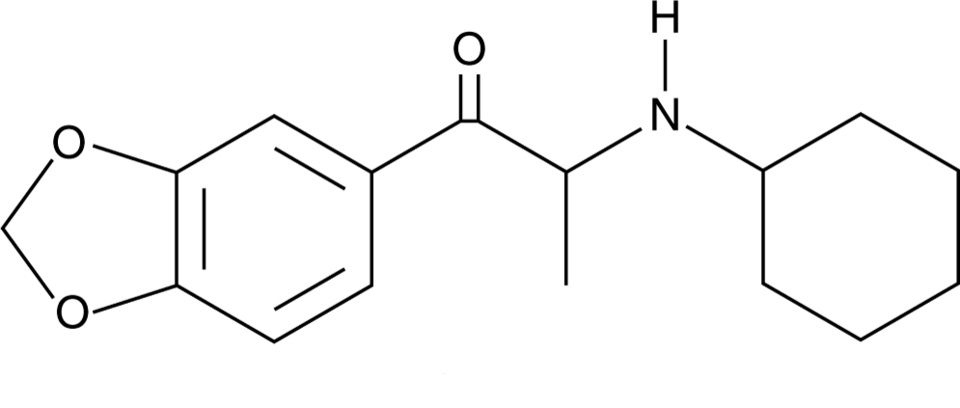
Chemical structure of N-cyclohexyl methylone Drawn by Kevin G. Shanks (2025)
N-isopropyl butylone was first identified in the United States in 2024 in the state of Georgia, where it was detected in drug material alongside methamphetamine. It was also detected in drug material sold as MDMA in New Zealand in 2024 and in drug material purported to be MDMA/ecstasy sold in Europe in 2025. In 2025, it was found alongside ketamine and methamphetamine. N-isopropyl butylone is a positional isomer of other substituted cathinones including N-ethylpentylone, N, N-dimethylpentylone, and N-propylbutylone.
N-cyclohexyl methylone was first identified in the United States in 2022 in drug material in the state of Florida when it was sold as an ecstasy tablet and in Indiana sold as a beige/off-white crystalline powder. The substance is a derivative of the older cathinone, methylone, which is itself a derivative of MDMA (3,4-methylenedioxymethamphetamine).
While not explicitly listed as controlled substances in the United States, both of the substances may be considered positional isomers of already controlled drugs and therefore be considered “analogues”. According to the Drug Enforcement Administration’s (DEA) National Forensic Laboratory Information System (NFLIS) March 2023 Drug Snapshot, N-cyclohexyl methylone was the third most common detected substituted cathinone in the United States with 257 reports. And in the December 2024 Drug Snapshot, N-isopropyl butylone was the most prevalent cathinone with 178 detections while N-cyclohexyl methylone was number 5 with 12 detections. There have not yet been any published reports of these two substances being implicated in human toxicity, including hospitalizations and fatalities.
Axis qualitatively monitors both compounds in our Novel Emerging Compounds (NEC) panel (order code 13710) and Comprehensive Panel, Blood with Analyte Assurance™ (order code 70510) using liquid chromatography with quadrupole time of flight mass spectrometry (LC-QToF-MS). Axis also monitors other NPS cathinones in the NEC panel including alpha-PHP, alpha-PiHP, and N, N-dimethylpentylone. Additional cathinone/stimulant compounds in our Novel Psychoactive Substances panel (order code 13610) include alpha-PVP, butylone, dibutylone, dimethylone, eutylone, MDPV, mephedrone, methcathinone, methedrone, methylone, N-ethylpentylone, pentylone, and TFMPP. As always, if you have questions about these substances and how they may play a role in your medical-legal investigation, please reach out to our subject matter experts by email ([email protected]) or phone (317-759-4869, Option 3).