By Kevin G. Shanks, D-ABFT-FT
The term designer opioid generally refers to the class of synthetically derived opioid analogs that are intentionally modified by clandestine chemists to circumvent existing drug laws while maintaining opioid receptor activity. This concept has been ongoing over the years with the initial appearance of fentanyl analogs such as alpha-methylfentanyl and 3-methylfentanyl during the 1980s and the reemergence of them on illicit drug markets in the 2010s. Shortly thereafter, the fentanyl class of compounds was heavily controlled by the government, and clandestine labs moved on to the synthesis of the nitazene family of opioids, which gained prominence in the late 2010s to early 2020s. As the nitazenes have become regulated, the market looks to be shifting again, and the orphine class of opioids has the potential to be the next type of designer opioid to become prevalent.
The orphine class of substances have an origin in academic and pharmaceutical research conducted during the 1960s and 1970s, particularly in laboratories associated with Paul Janssen, whose work also produced fentanyl and related fentanyl analogs. Many of these compounds were initially synthesized as potential analgesics, but they remained relatively obscure within scientific literature and patents. In the last few years, these compounds have been rediscovered and have found their way to the street as illicit drugs.
The modern recognition of the orphine class began with the detection of brorphine on illicit drug markets in Europe in 2019 and in the United States in 2020. Brorphine is a benzmidazol-2-one derivative that contains a cyclized benzimidazole ring system. Other compounds in this class include cyclorphine (also known as N-propionitrile chlorphine), and 5,6-dichloro desmethylchlorpine (also known as S-17018), and 5,6-dichloro brorphine (also known as SR-14968).
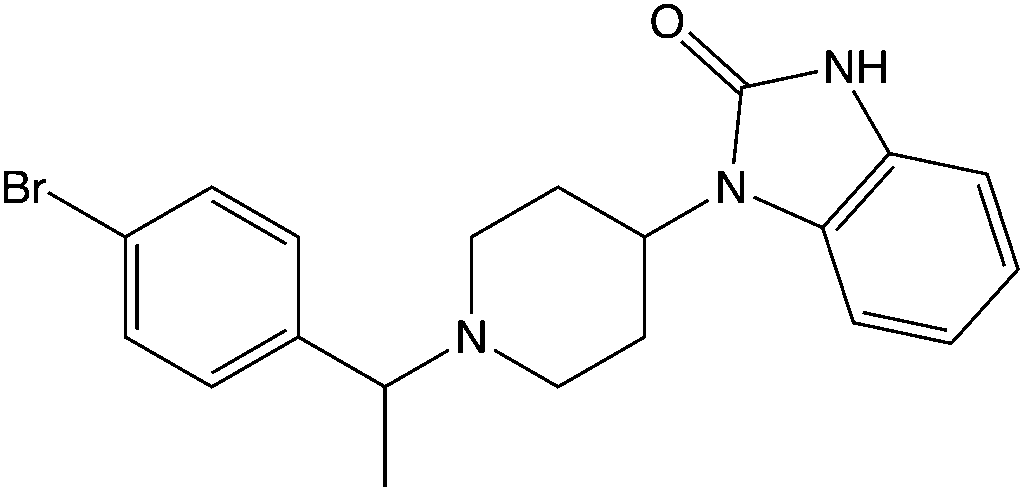
Chemical Structure of Brorphine Drawn by Kevin G. Shanks (2026)
The other structural group of orphine compounds are the spiropiperidine derivatives, which contain a spiro-linked piperidine ring fused with an imidazole or other related aromatic system. Compounds in this class include spirorphine, spirochlorphine, and spirobrorphine.
The orphines may differ from the traditional morphine derivatives and the typical fentanyl analogs in chemical structure, but the pharmacological effect is similar, as they act as potent mu opioid receptor agonists. This activity produces analgesia, euphoria, sedation, central nervous system depression, and respiratory depression. In overdose, the breathing slows down, and may stop temporarily (apnea). Apnea leads to hypoxia, or lack of oxygen distribution to the surrounding tissues including the brain. Hypoxia can lead to cardiac arrest and death.
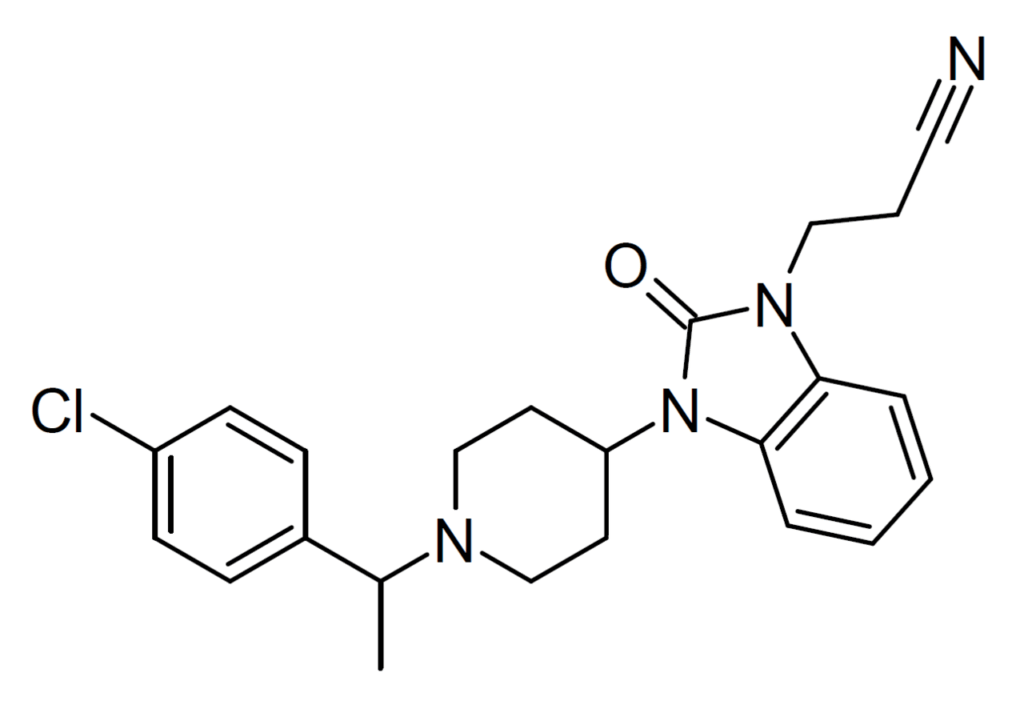
Chemical Structure of Cyclorphine Drawn by Kevin G. Shanks (2026)
The orphine class of opioids is particularly concerning from a toxicological perspective as some of the analogs are considered to be high potency, with several of them being similar to fentanyl in pharmacological activity. Many of these compounds have very limited toxicological data as they never underwent routine animal or human clinical testing. Because of these factors and with the potential increased prevalence in drug materials on the street, forensic toxicology laboratories have begun expanding their analytical methods to identify these compounds in postmortem analyses. As always, the cycle of innovation by clandestine chemists and then governmental prohibition drives the continual appearance of new opioids on the drug market. Although only a limited number of analogs have been detected so far, their appearance illustrates how the drug market changes rapidly over the course of months and years.
Axis Forensic Toxicology has been testing for brorphine since 2023 and recently added chlorphine, N-propionitrile chlorphine (cyclorphine), 5,6-dichloro brorphine, 5,6-dichloro desmethylchlorphine, spirobrorphine, and spirochlorphine to a newly developed Orphine Analog Panel (order code 13410), and Comprehensive Panel, Blood with Analyte Assurance™ (order code 70510) using liquid chromatography with quadrupole time of flight mass spectrometry (LC-QToF-MS). Reporting of these analytes is qualitative. Reporting limits are 10 ng/mL for 5,6-dichloro brorphine and 5,6-dichloro desmethylchlorphine and 1 ng/mL for chlorphine, N-propionitrile chlorphine, spirobrorphine, and spirorchlorphine.
If you have any questions or concerns regarding the role of these orphine opioids or any other newly emerged substance in your investigation, please reach out to our Axis Forensic Toxicology subject matter experts at [email protected] or by phone (317-759-4869, Option 3). To stay current with the scope of testing for all services offered by Axis, please consult the online catalog.